In digital marketing, a click often feels like a small victory. Someone saw your advertisement, post, email, or search result — and decided to click.
But what happens next?
Did they actually read the content? Did they understand the message? Did they remember the brand? Did they trust it? Or did they simply click and disappear?
This is where the idea of the attention economy becomes important.
Today, attention is one of the most valuable resources a brand can earn. Consumers are surrounded by advertisements, notifications, reels, emails, recommendations, influencers, and endless content. The challenge for marketers is no longer simply getting noticed. The real challenge is holding attention long enough to create meaning.
The attention economy is based on a simple idea: human attention is limited, while the amount of information competing for it is enormous.
Think about your typical social media feed. Within a few seconds, you might see:
- A brand advertisement
- A friend's post
- A short video
- A news update
- An influencer recommendation
- A discount offer
- A meme
- Another advertisement
Every piece of content is competing for the same thing — your attention. This makes attention increasingly valuable for marketers.
A brand doesn't necessarily need to be the loudest voice in the feed. It needs to be the one that gives people a reason to stop.
For years, clicks were treated as an important indicator of digital marketing success. A campaign received thousands of clicks, and marketers could consider that a positive result.
But a click only tells us that someone interacted with something. It doesn't necessarily tell us why they clicked or what happened afterward.
Imagine Two Campaigns
Campaign A: Receives 10,000 clicks, but most visitors leave within a few seconds.
Campaign B: Receives 5,000 clicks, but visitors spend more time exploring the website, reading content, watching product videos, signing up for emails, or eventually making a purchase.
Which campaign created more meaningful attention? The answer isn't necessarily determined by the number of clicks.
This is why marketers increasingly need to look beyond surface-level metrics and understand what people actually do after interacting with content.
A click is an action. Attention is a process.
Meaningful engagement can include
- Reading an article
- Watching most of a video
- Saving a useful post
- Sharing content with someone
- Commenting thoughtfully
- Visiting multiple pages
- Signing up for something valuable
- Returning to the brand later
- Eventually making a purchase
These actions can provide a deeper understanding of whether the content actually connected with the audience.
For example, a social media post might receive thousands of views but very few saves or shares. Another post might receive fewer views but generate meaningful comments and shares.
Reach tells you how many people saw it.
Engagement can tell you whether it mattered to them.
Neither metric should be viewed in isolation, but the distinction is important.
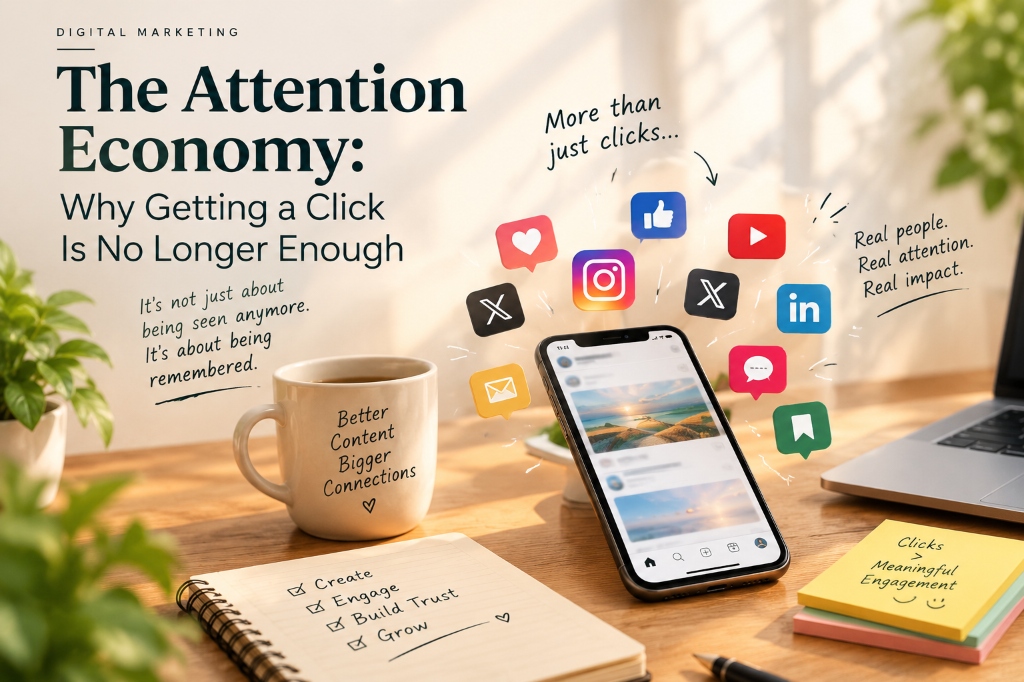 Figure 1: The Attention Economy — Shifting from quick clicks to real attention, brand trust, and meaningful connections.
When brands compete aggressively for attention, advertising can become intrusive. We've all experienced it:
- A video starts playing automatically
- A pop-up interrupts an article
- An advertisement appears repeatedly
- A notification asks us to come back
- A headline promises something the content doesn't deliver
These tactics may capture attention temporarily, but capturing attention and earning attention are two different things.
"Interrupting someone is one way to get noticed. Giving them something worth staying for is another."
The second approach is often more sustainable because it focuses on the audience rather than simply the advertisement.
So, How Can Brands Hold Attention?
The first few seconds matter. Whether it's a social media video, blog post, email, or advertisement, the opening needs to create a reason to continue.
Instead of immediately saying: "We offer the best digital marketing services."
A stronger approach might be: "Your customers may be seeing your content — but are they actually paying attention?"
The second statement creates a question in the reader's mind. And curiosity creates a reason to stay.
Consumers are constantly being asked to buy, subscribe, download, follow, or click. Brands can stand out by providing value before making the next request.
That value could be
- Useful information
- A solution to a problem
- Entertainment
- Inspiration
- Education
- A new perspective
If every interaction feels like a sales pitch, audiences have a reason to leave. But if content consistently helps them, they have a reason to return.
Features explain what a product does. Stories explain why it matters.
Instead of simply saying: "Our shoes have an anti-skid sole."
A brand could tell a story about a child confidently taking their first steps on a rainy school morning.
The feature hasn't disappeared, but now there is a human context around it. Good storytelling turns information into something people can remember.
Digital audiences don't consume content the same way they read a newspaper or book. They scroll quickly. This means visual hierarchy matters.
A strong piece of content should make the core message easy to understand at a glance:
Hook → Visual → Message → Value → Action
If the audience has to work too hard to understand the point, they may simply move on.
A content calendar can tell a marketer when to publish. It doesn't automatically tell them why someone should care.
Publishing five posts a week isn't necessarily better than publishing three thoughtful posts.
Before creating content, marketers should ask: "What does the audience get from this?" If the answer is unclear, the content may not deserve their attention.
One of the biggest misconceptions in digital marketing is that viral content automatically means successful marketing.
A viral post can generate millions of views. But views alone don't guarantee:
- Brand awareness
- Trust
- Customer loyalty
- Leads
- Sales
- Long-term relationships
Sometimes a smaller piece of content can create more business value because it reaches the right people and gives them a meaningful reason to engage.
This is an important shift: From chasing maximum attention to earning relevant attention.
The New Question for Marketers
Instead of asking: "How many people clicked?", marketers should also ask:
- Did people stay?
- Did they understand?
- Did they engage?
- Did they remember?
- Did they trust?
- Did they come back?
These questions help marketers move from measuring simple interactions to understanding the quality of attention.
The Future of Digital Marketing: Earn Attention, Don't Just Interrupt It
The digital landscape will continue to become more crowded. More creators will publish content. More brands will advertise. More AI tools will generate content. More platforms will compete for people's time. And that means attention will become even harder to earn.
But the answer isn't necessarily to create louder advertisements or publish more content. It may be to create better reasons for people to care.
- A useful article
- A relatable story
- A genuinely entertaining video
- A helpful explanation
- A memorable brand experience
- A message that arrives at exactly the right moment
These are the things that can turn a passing interaction into a meaningful connection.
Final Thought
A click tells you that someone opened the door. Attention tells you that they decided to stay.
In the attention economy, marketers shouldn't only compete for clicks, impressions, or views. They should compete for something much more valuable: a meaningful place in the audience's mind.
Because the future of digital marketing may not belong to the brands that get the most attention. It may belong to the brands that know what to do with the attention they earn.
"The question isn't: 'Did they click?' The better question is: 'Did we give them a reason to care?'"
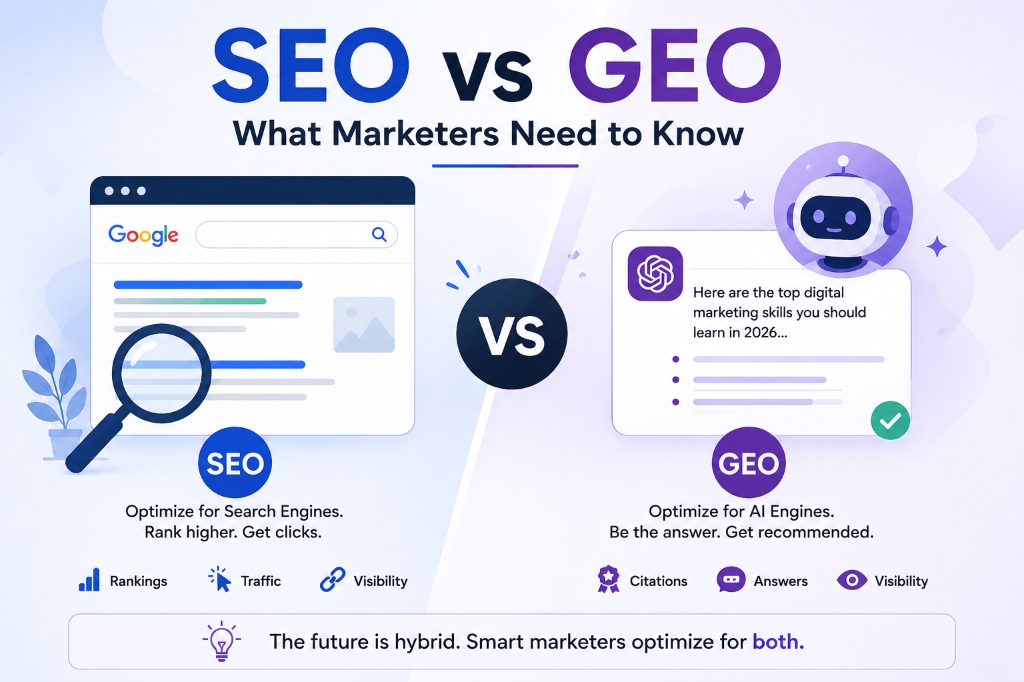
Want to explore how AI is reshaping online discovery & content optimization? Read our guide: SEO vs GEO: What Marketers Need to Know in the Age of AI
Looking to master fundamental digital marketing channels? Check out: 10 Digital Marketing Skills Every Student Should Learn
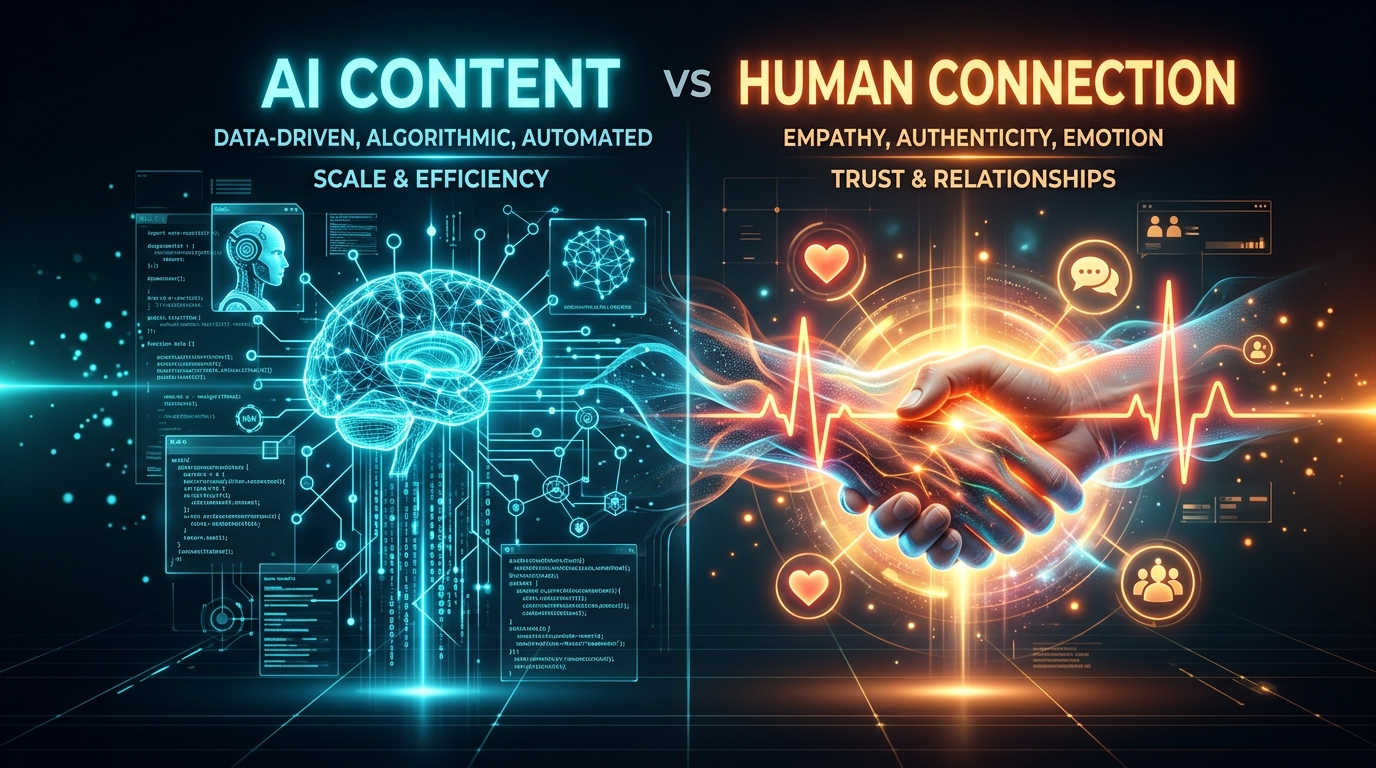
Discover how human emotion and storytelling create lasting brand relationships: AI Can Create Content. But Can It Create Connection?